One experiment. The whole result.
Keep preparation, measurement, and reconstruction together in one readable workflow.
 PELAGIC SYSTEMS
ADVANCED QCVV
Research-grade quantum characterization, packaged as routine experiments. The physics gets harder. The experiment does not.
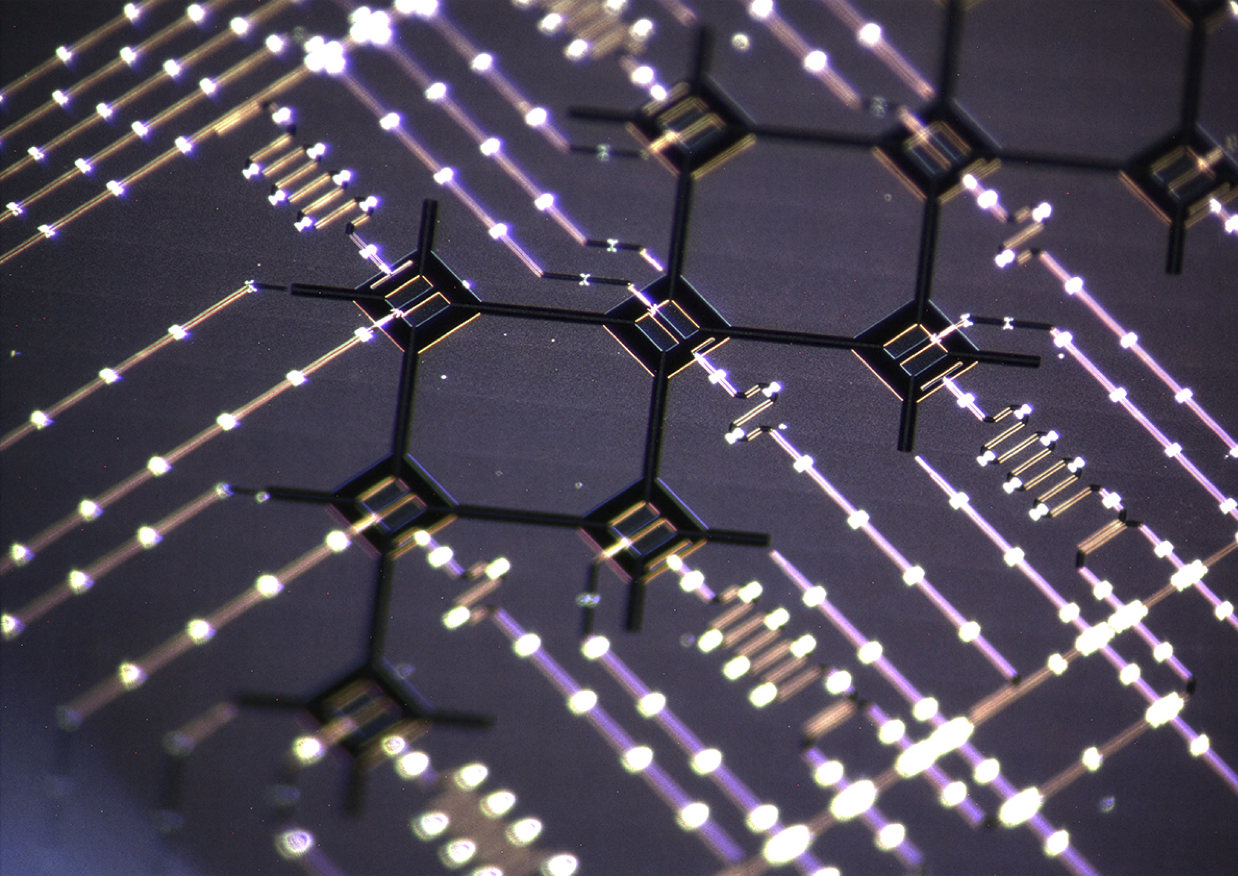
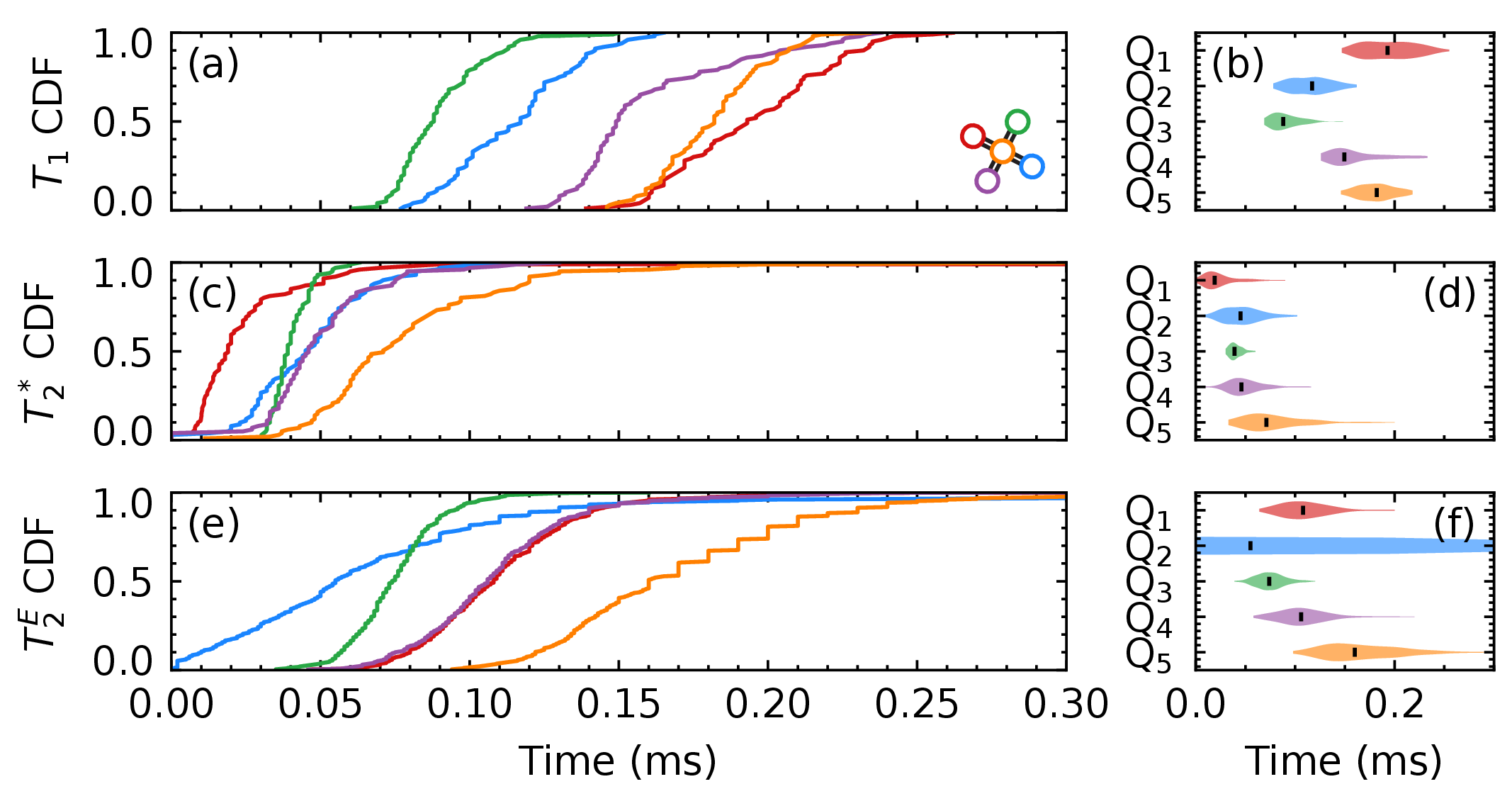
THE BASICS ARE THE START
T₁, T₂ and echo remain essential. But modern processors need tools that expose coherent errors, gate processes, circuit performance and multi-qubit correlations.
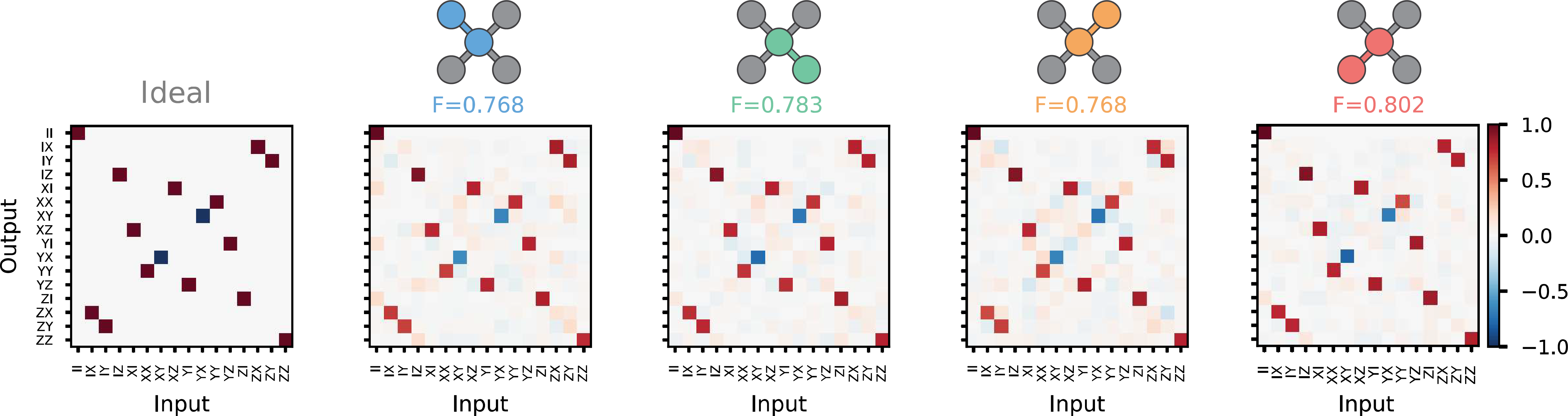
01 / TOMOGRAPHY
Choose the operation. Pelagic handles the experiment sequence and acquisition without turning tomography into a custom software project.
The same experiment continues directly into reconstruction, giving you the process rather than reducing the result to a single benchmark number.
02 / ERROR DIAGNOSIS
Robust phase estimation and deterministic benchmarking expose repeatable coherent error structure instead of averaging it away into a single fidelity number.
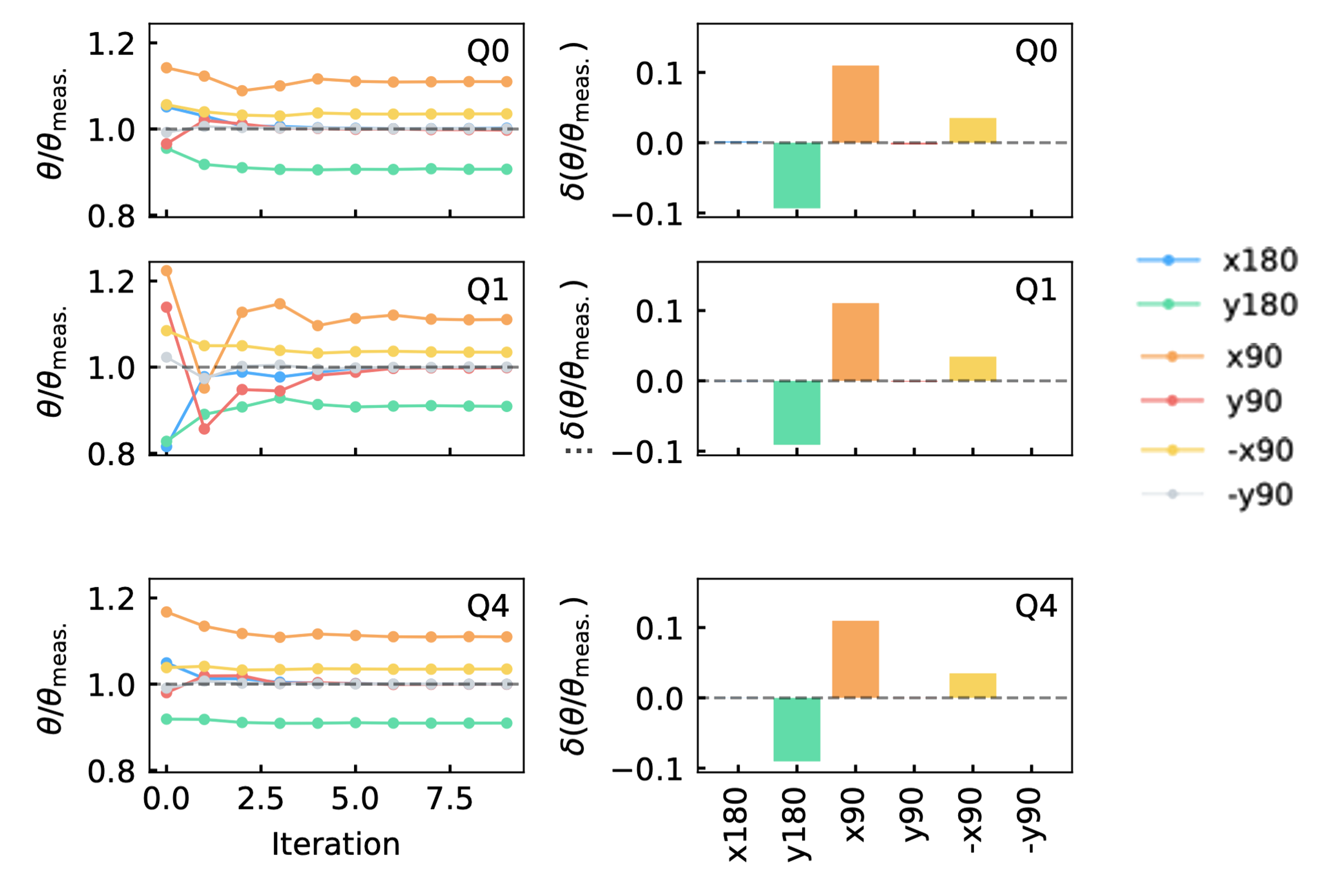
Robust phase estimation turns small phase offsets into a directly resolvable signal, making coherent calibration errors easier to isolate.
Deterministic benchmarking then exposes repeatable coherent error structure instead of averaging it away into a single fidelity number.
03 / BENCHMARKING
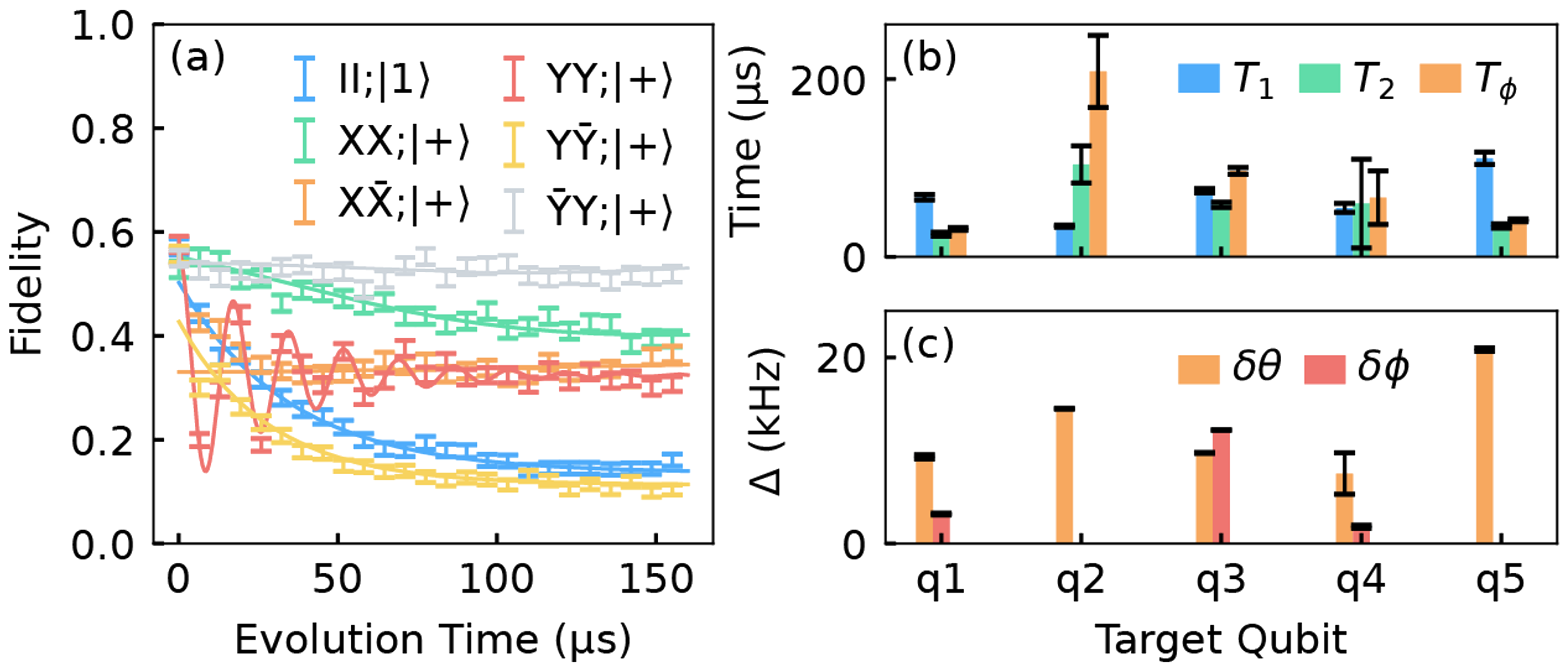
Cycle benchmarking and interleaved CRB make gate performance measurable in context. The same Pelagic experiment pattern carries from one protocol to the next.
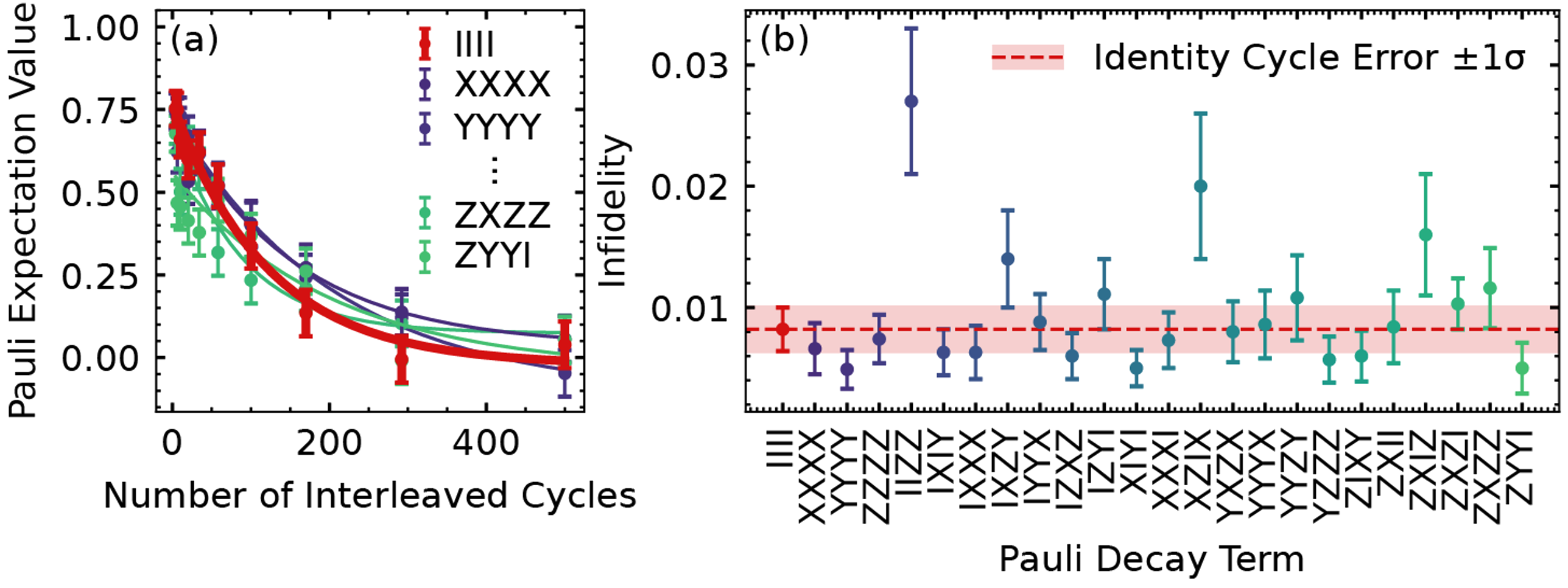
Cycle benchmarking establishes the repeated operation. Interleaved CRB then resolves the contribution of a target operation relative to that reference.
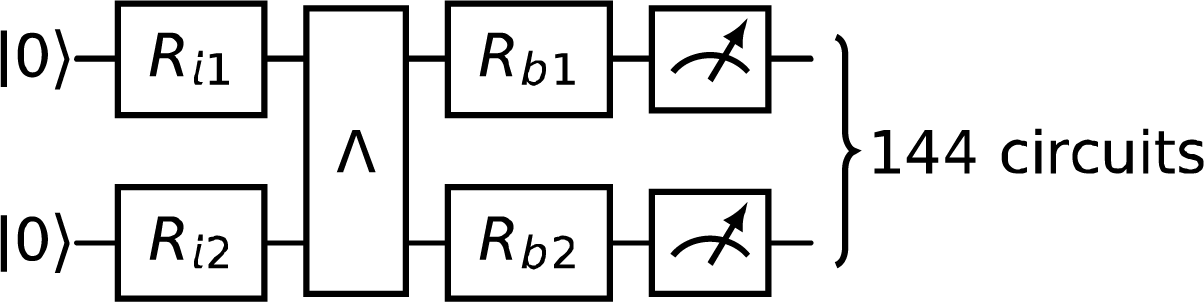
04 / CROSS-ENTROPY BENCHMARKING
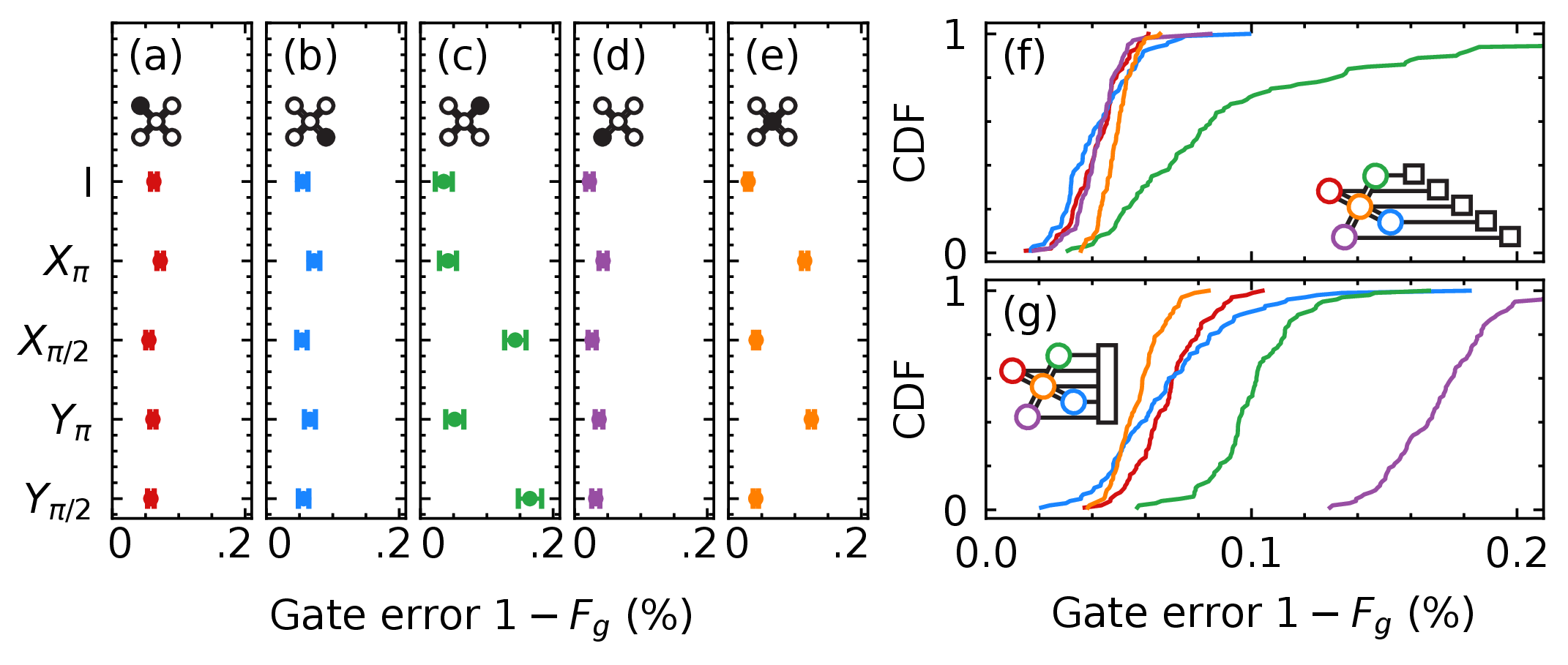
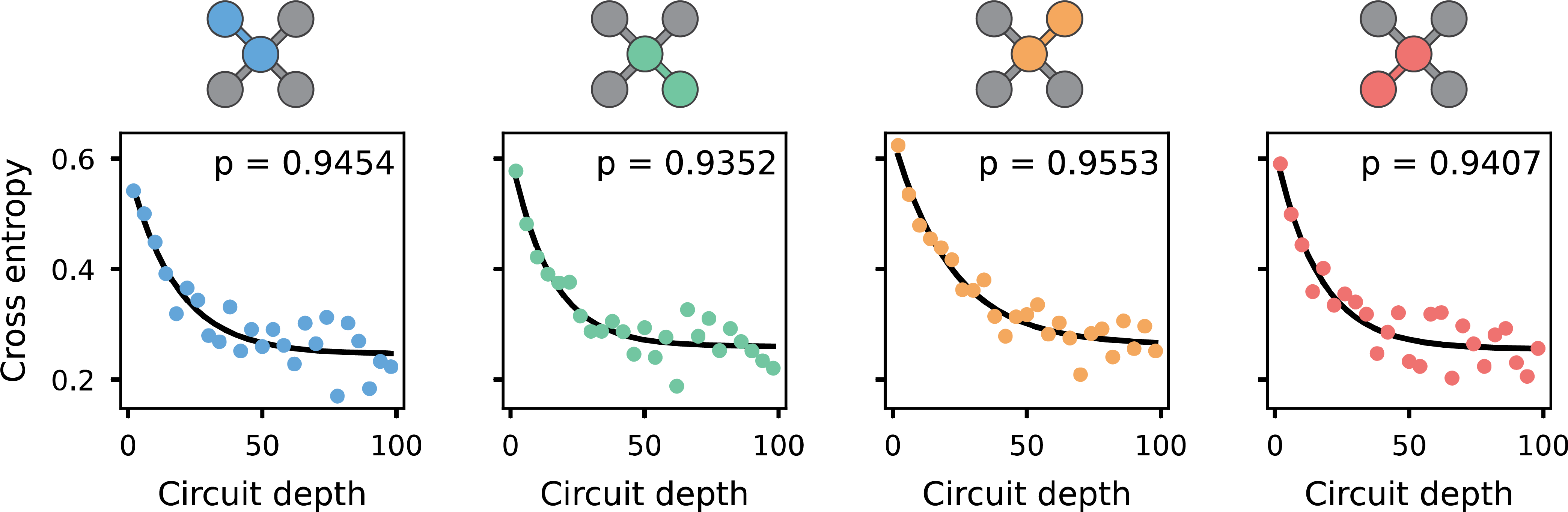
The physics gets harder. The experiment does not. Pelagic builds and runs the circuit inside the same experiment framework.
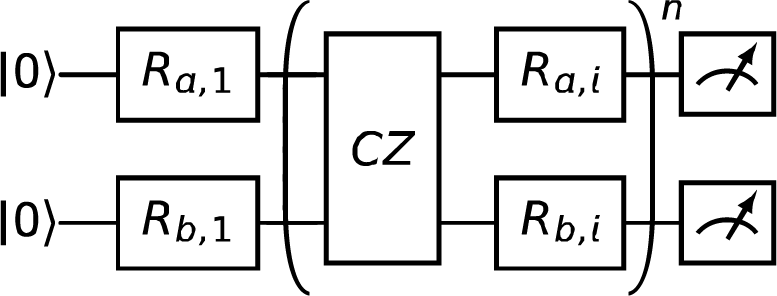
Acquisition and analysis follow in the same workflow, turning the circuit-level experiment into an immediately usable result.
05 / MULTI-QUBIT VALIDATION
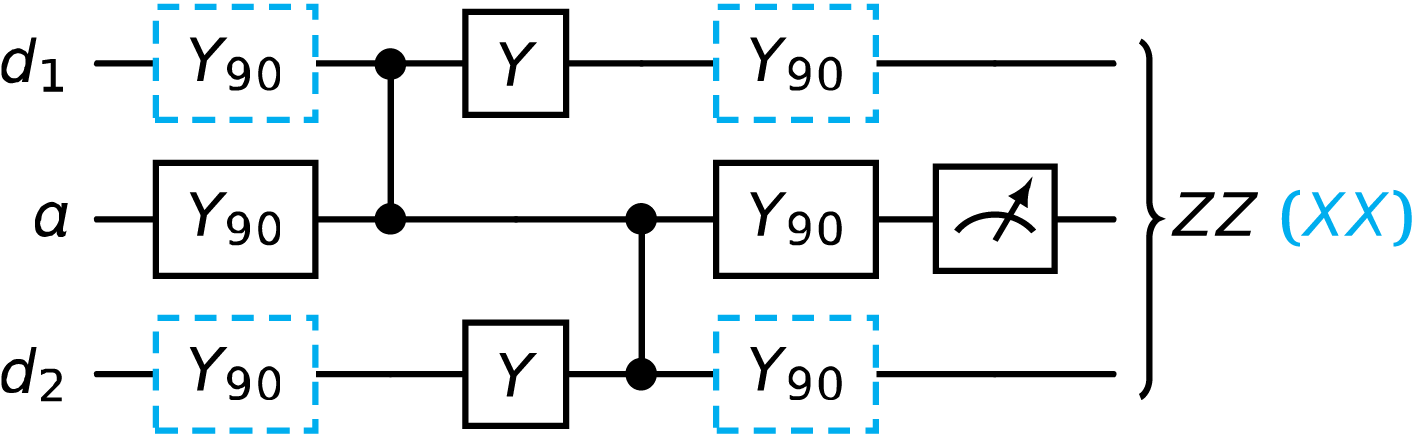
Weight-2 and weight-4 stabilizers bring correlated multi-qubit measurements into the same familiar Pelagic experiment workflow.
WEIGHT-2 STABILIZER
Start with the stabilizer sequence itself.
Then carry the same run directly into the measured response.
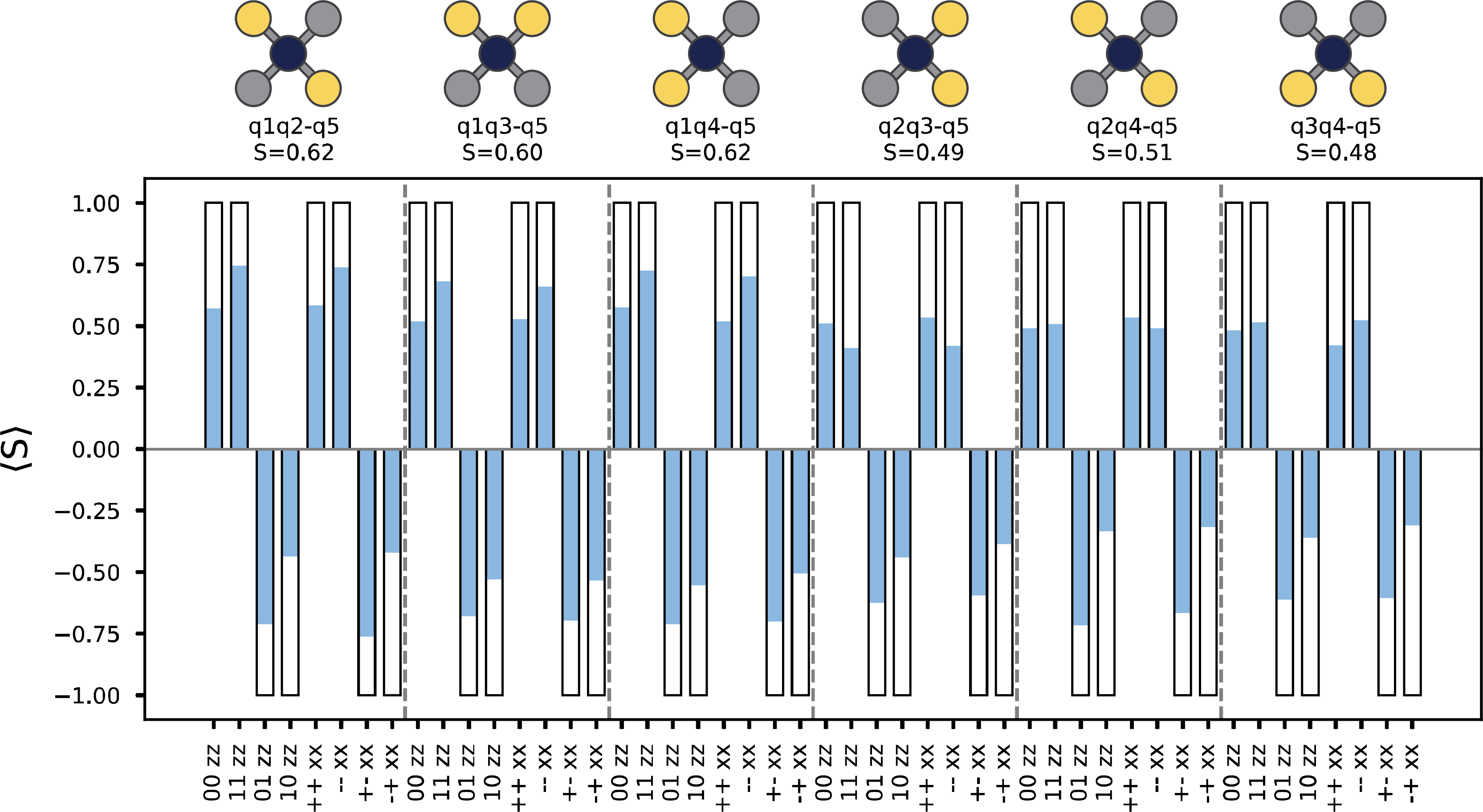
WEIGHT-4 STABILIZER
Scale the sequence to the larger multi-qubit measurement.
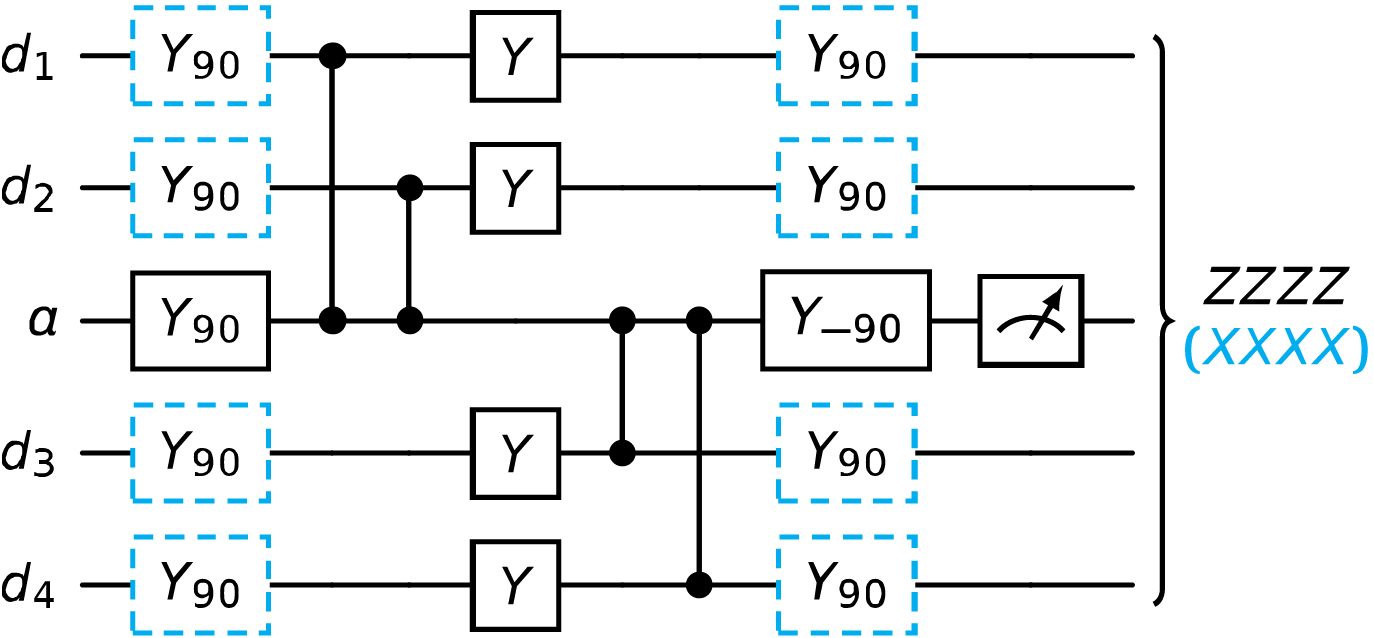
Pelagic keeps the workflow unchanged while the experiment becomes more sophisticated.
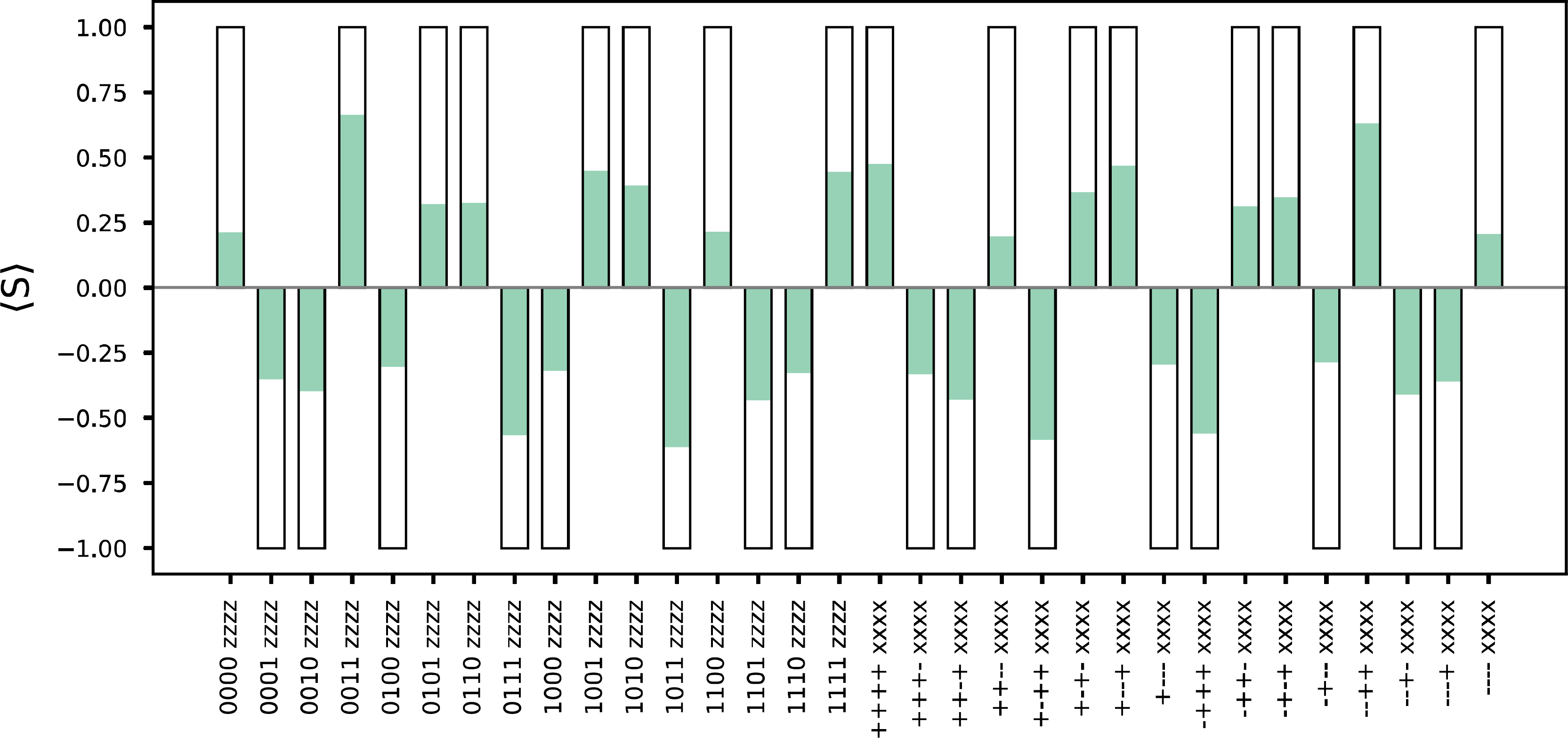
06 / THE RESULT
Pelagic turns methods at the frontier of quantum characterization into tools that belong in the everyday lab workflow.
The same stack carries the experiment from device diagnostics to multi-qubit preparation and a reconstructed GHZ state.
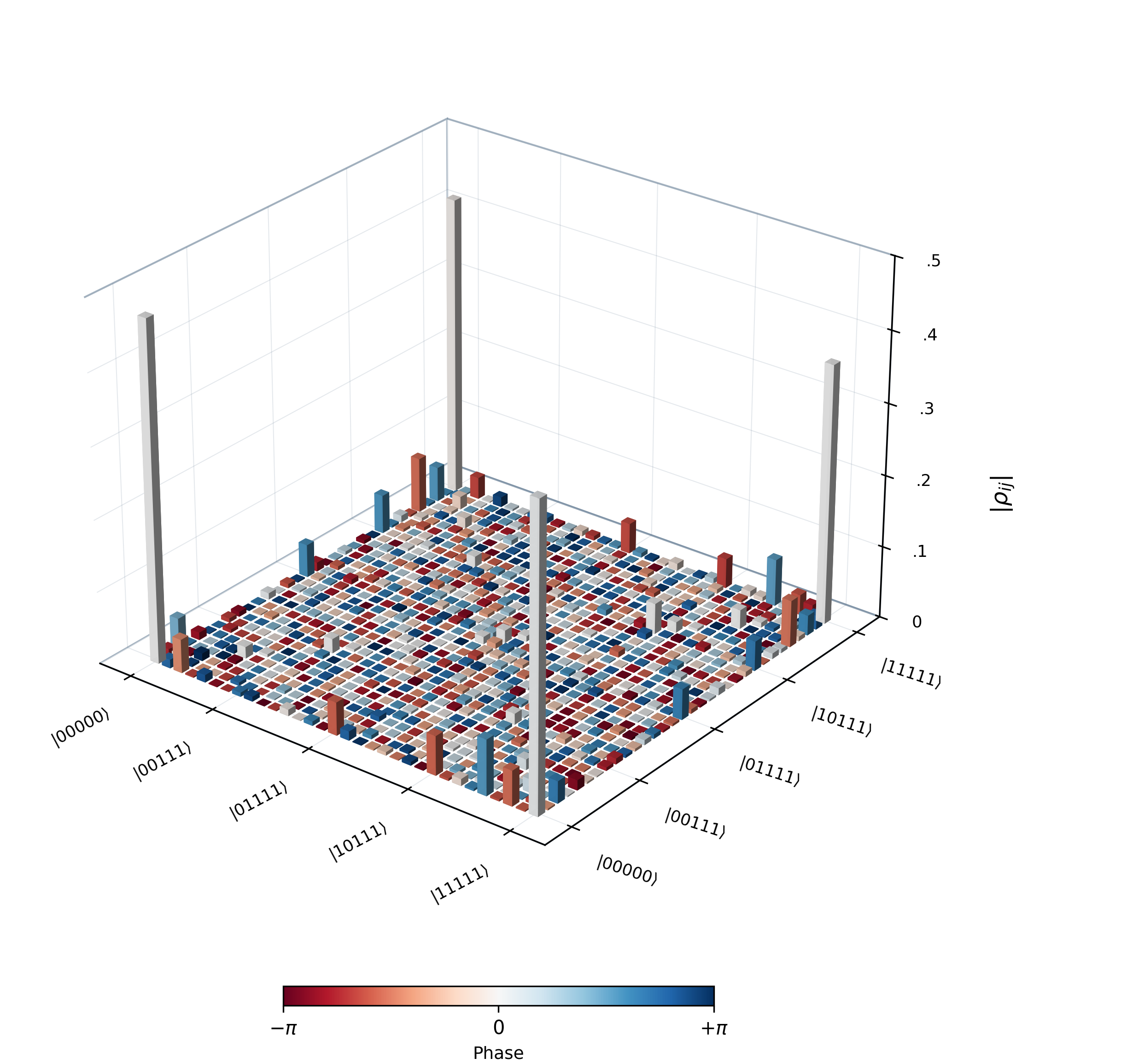
qubits = [q1, q2, q3, q4, q5]

with pelagic.experiment("ghz") as exp:
    exp.prepare(ghz(qubits))
    result = exp.measure(
        qubits,
        shots=10_000,
    )

rho = result.tomography()
rho.plot_density_matrix()Keep preparation, measurement, and reconstruction together in one readable workflow.
Extend an experiment class to adapt its sequence or analysis to your device.
Explore experiment classes